HOW IT WORKS

Every parcel, building, and piece of property in Iowa is represented in a document that has been recorded by an Iowa County Recorder. To support that work, Iowa Land Records is built on a partnership with County Recorders.
Iowa Land Records serves as the statewide system that connects all counties, offering secure public access, electronic submission tools, and consistent standards.
A PUBLIC SYSTEM BUILT FOR IOWA
Iowa Land Records operates as a public service under a 28E agreement between Iowa counties. Our priority is serving counties and the public. That means transparency in funding, accountability in decision-making, and reinvestment into system improvements for the benefit of all Iowans.
THE ADVANTAGE OF DIGITAL RECORDS
Through Iowa Land Records, 25 million recorded documents are accessible online, supporting long-term access to Iowa's real estate records.
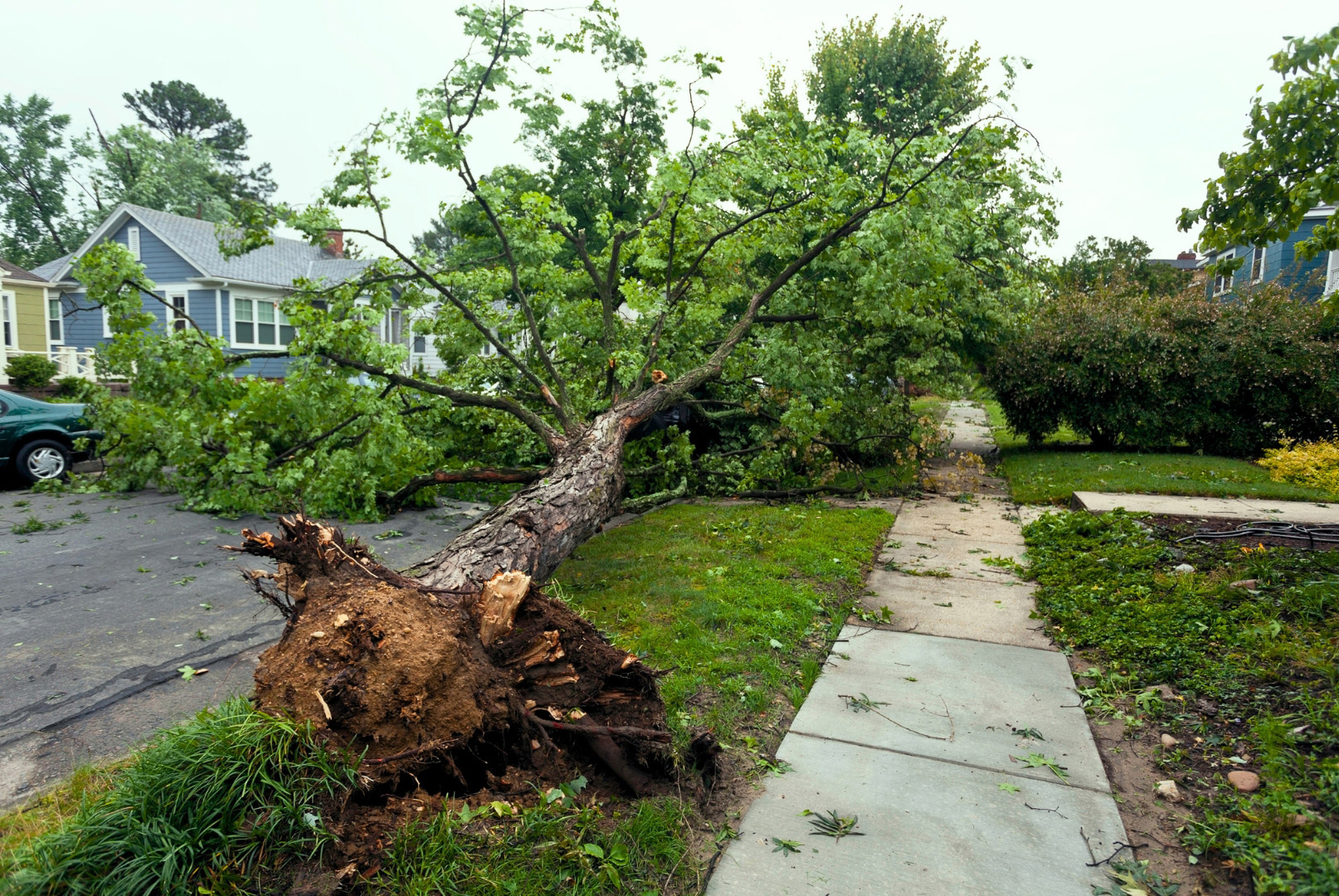
Events such as flooding, severe storms, and other natural disasters can threaten physical records, making digital access increasingly important. Expanding digital access helps ensure that important records remain available, even when physical copies may be at risk.
County Recorders continue to preserve both current and historical records by making them accessible through Iowa Land Records.
Benefits of Iowa Land Records
Iowa Land Records ensures that no matter which county you're working with, the submission process, system navigation, PII redaction procedures, and support policies remain consistent. This saves time, reduces errors, and increases user confidence in the system.
Benefits Instead of working with multiple county offices and systems, users can
- Submit documents in one system
- Receive E-Submission updates & confirmation in one place
- Search records from all 99 counties 24/7
- Complete work more efficiently across county lines
- Access local support with E-Submission logistics, policy interpretation and recording standards
From E-Submission to ILR Search
Real estate documents move through several steps before becoming part of the public record. While the exact steps may vary,
most submissions follow a similar path of preparation, review, recording, and then are made public in Search.